EXPERIMENTS
Material Experiment
Our study consists of a series of propolis productions including: commercially bee products and natural and biologic material collection which lead to trials of creating a “human-made” propolis.

Test 1 | Commercial Bee Products
Sampling Science
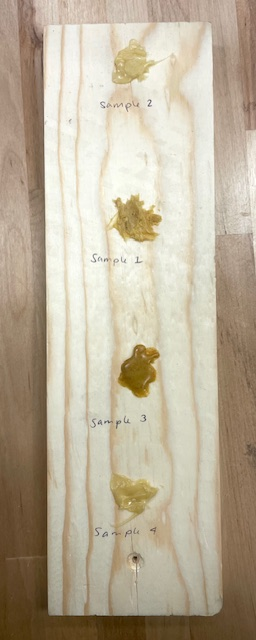
- A digital scale was used to determine equal and accurate measurements through a series of four samples.
- We measured one compound with more resin and one with more wax.
- Then we duplicated this and added saliva to both.
- We also measured time from liquid to solid state.
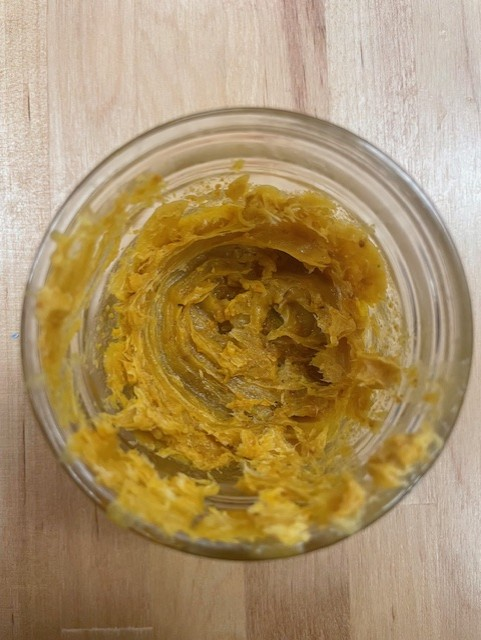
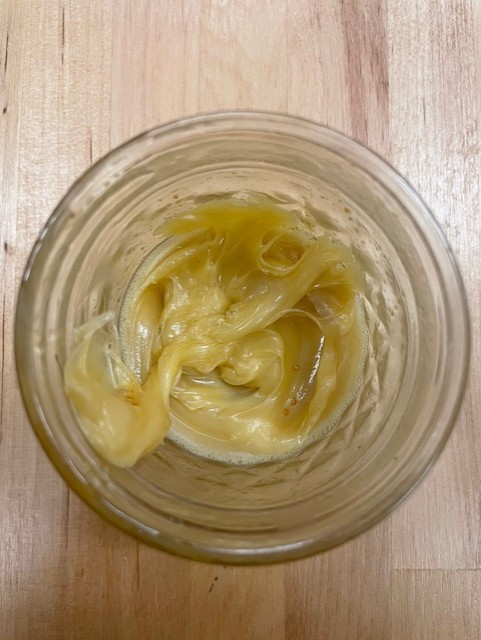
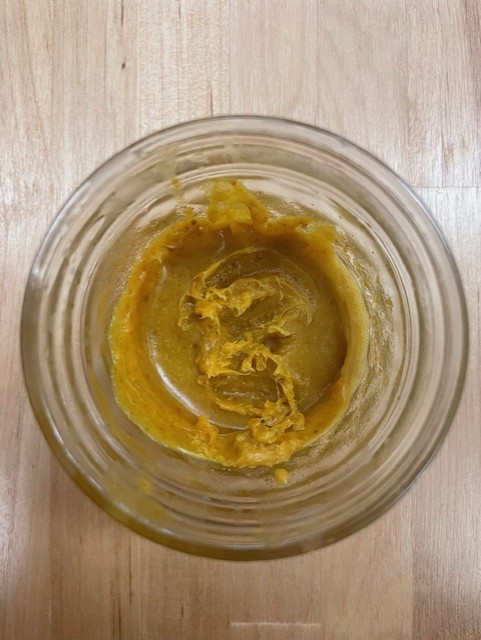
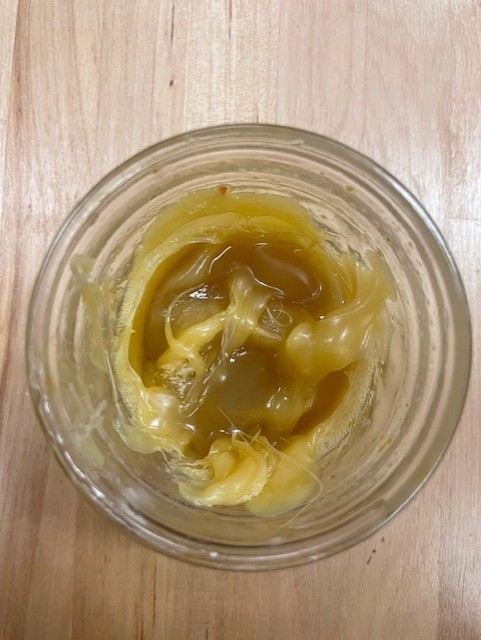
SAMPLE 3
SAMPLE 4
SAMPLE 2
SAMPLE 1
Compound:
- 0.5 oz Resin
- 0.3 oz Beeswax
- 0.1 oz Pollen Powder
Dry Time: 13 minutes
Compound:
- 0.7 oz Resin
- 0.25 oz Beeswax
- 0.05 oz Pollen Powder
Dry Time: 20 minutes
Compound:
- 0.5 oz Resin
- 0.3 oz Beeswax
- 0.1 oz Pollen Powder
- 0.1 oz Human Saliva
Dry Time: 16 minutes
Compound:
- 0.7 oz Resin
- 0.25 oz Beeswax
- 0.05 oz Pollen Powder
- 0.1 oz Human Saliva
Dry Time: 18 minutes
RESEARCH
BUZZING FORWARD
EXPERIMENTS
ABOUT US
HIVE
Prototype Goals
- Create control samples, with and without human saliva, to compare the chemical changes produced by the addition of biologic material.
- Create control samples with varying percentages of resin to beeswax to simulate more accurate sample sizes from natural materials.
Test 1 Initial Findings
- All four samples worked well as a patching tool.
- Both sample 1 and 3 worked well as binding glue; likely due to resin amounts.
- Saliva minimally changes drying times for propolis.
- Human saliva does not significantly change strength potential for product.
How might this experiment be expanded into Test 2?
Samples made from Test 1 will compare propolis made from commercial products to that of naturally collected materials.
Test 2 | NATURAL MATERIALS | TRIAL A
Collection Methods
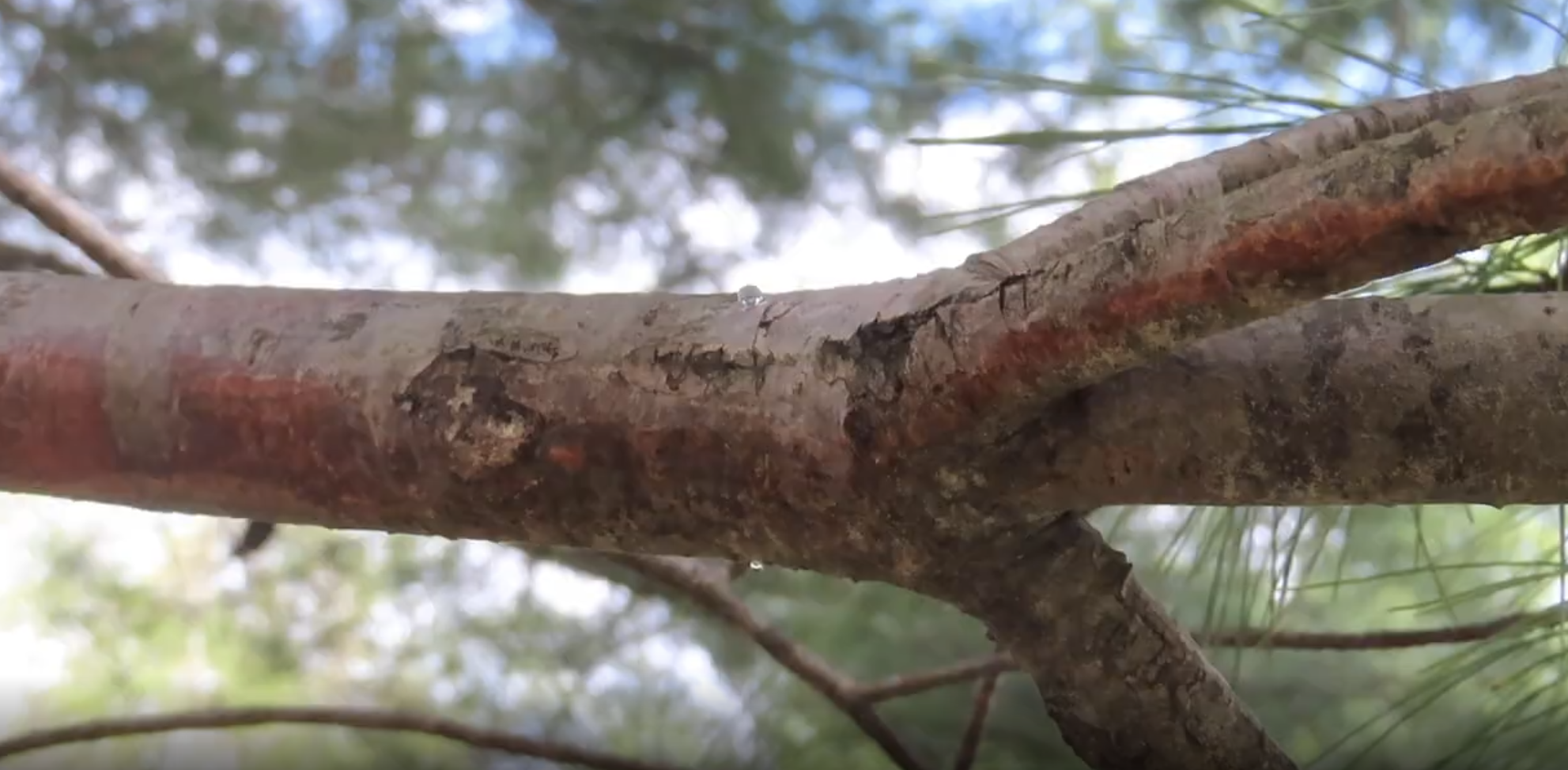
Resin
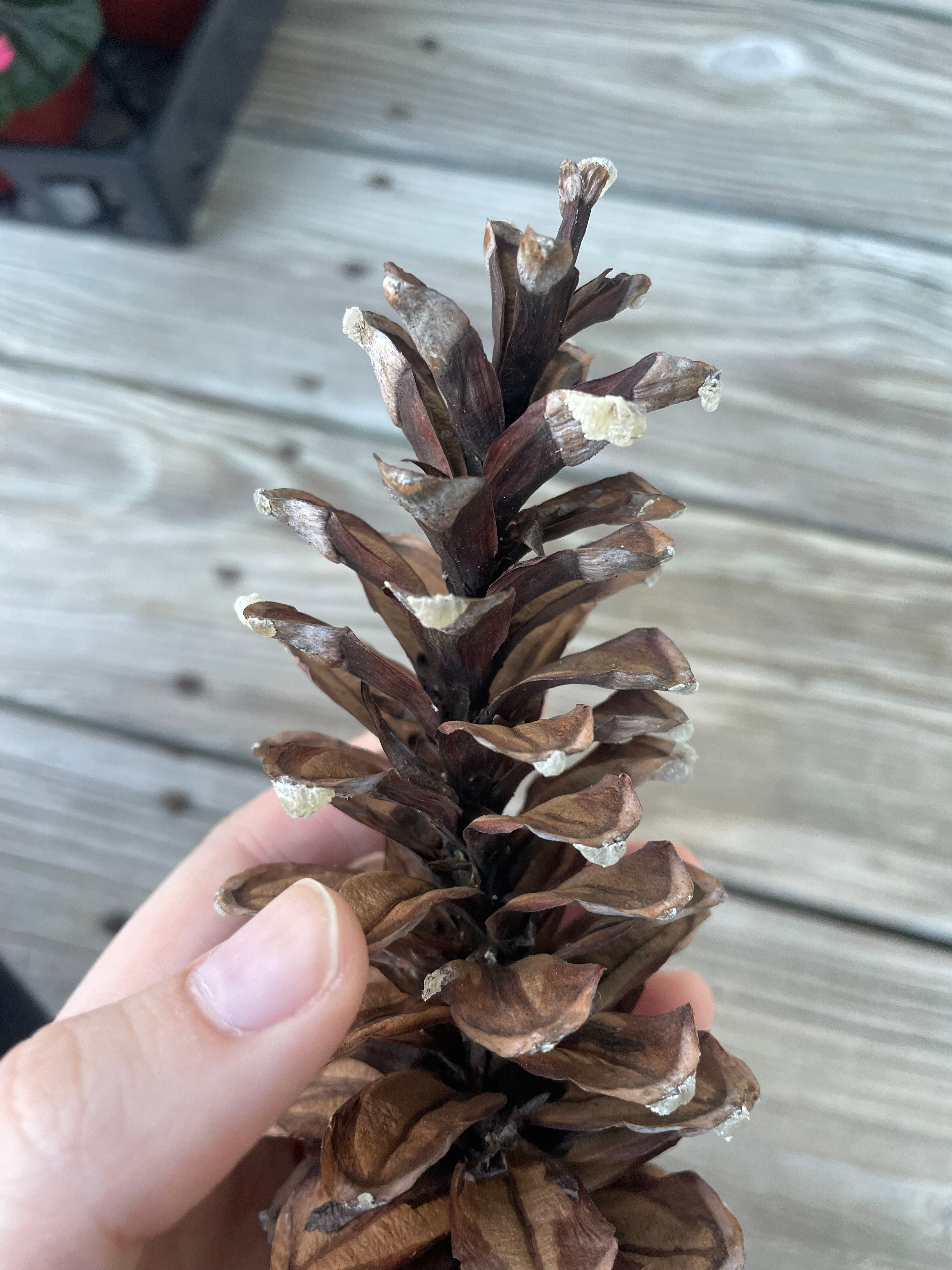
- Harvested from pine cones seeds found on the ground in early spring.
- Harvested in small quantities from a healthy tree.
Collection Goals
- Work within natural cycles and reduce extraction damage.
- Utilize natural material usage capabilities.
Limitations
- Low output in collection.
- Time consuming for an individual.
- Limited usable resin due to upcoming seasonal drying.
Saliva
- Voluntarily collected from project team members.
Collection Goals
- Simulate collective contribution and material transformation.
- Simulate a function “binder” for the human propolis.
Limitations
- Politics of disgust with human biologic material.
- Bio-safety of human saliva compared to bee saliva.
- Chemical differences
- Bee saliva contains enzymes and antimicrobial compounds that transform plant resins to have structural properties.
- Human saliva is primarily composed of water and has a different microbial profile (could lead to unpredictable material behavior).

Earwax
- Voluntarily collected from project team members and peers.
Collection Goals
- Use a human-derived analogue to beeswax.
- Use a natural produces, lipid-rich substance with protective functions.
- Simulates that humans produce materials that service bodily protective functions.
- Reinforce themes of intimacy and contribution to the propolis (collective re-purposing).
Limitations
- Low output in collection (scale and feasibility)
- Humans produce earwax in small quantities compared to beeswax production, even at a large scale.
- Hygiene and Ethical concerns; earwax is typically treated as waste.
- Politics of disgust with biologic material.
- Limitations is work ability; human earwax often varies in consistency.
Pollen
During this trial, we were unable to effectively harvest pollen. Pollen naturally collected with hive pollen traps was used.
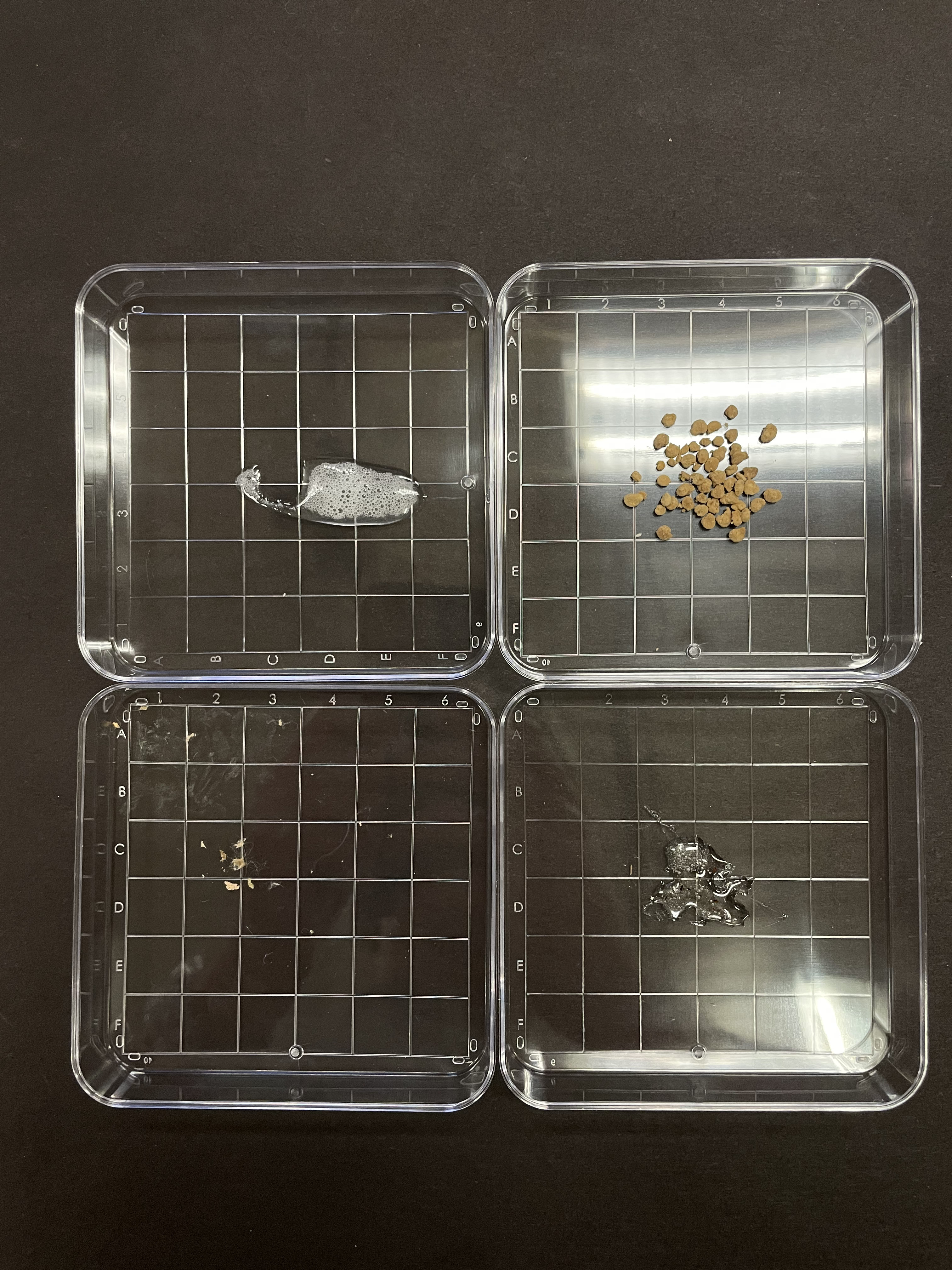
Pictured: Saliva (upper left), bee pollen pellets (upper right), dry earwax (bottom left), tree resin (bottom right)
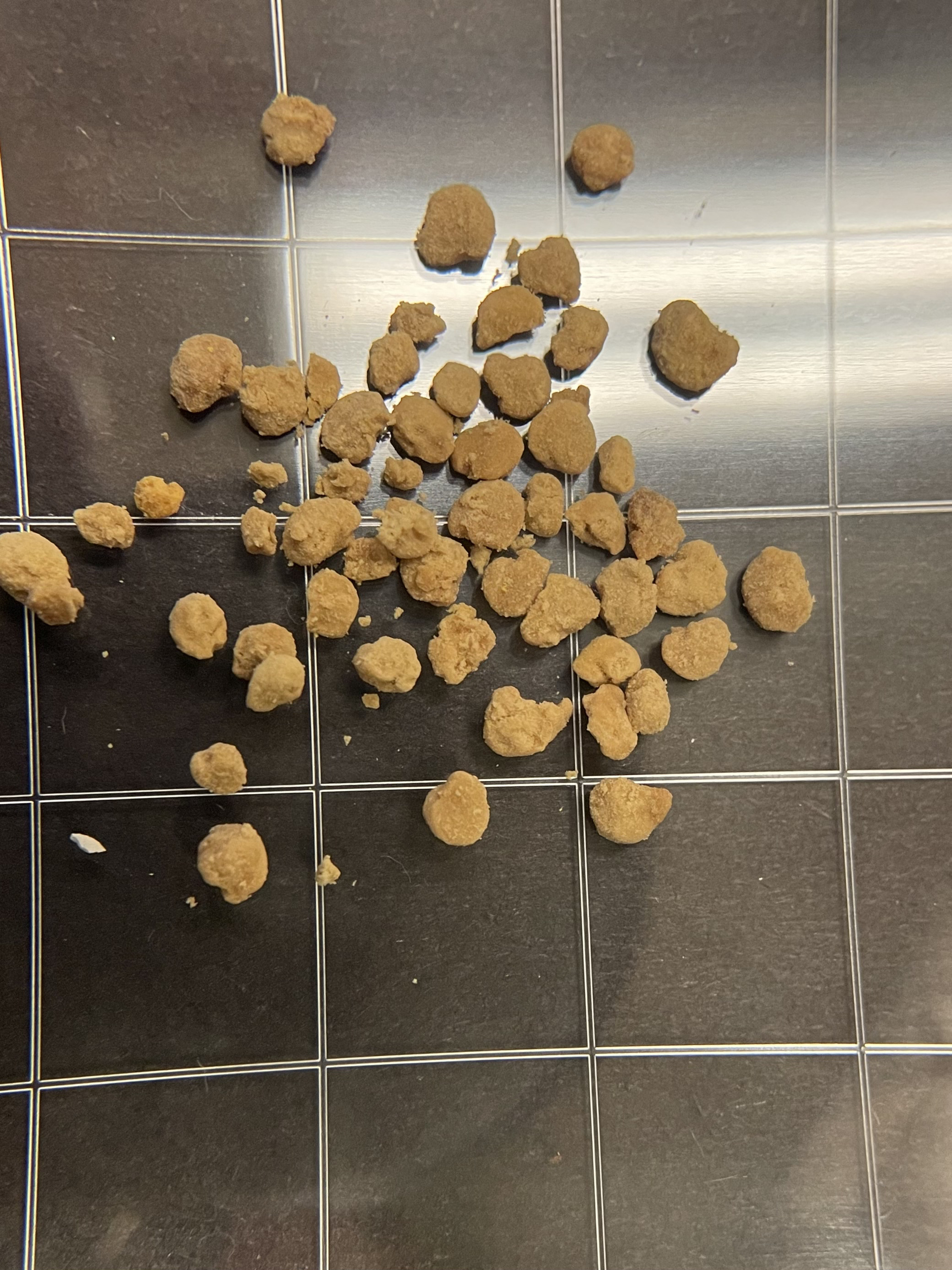
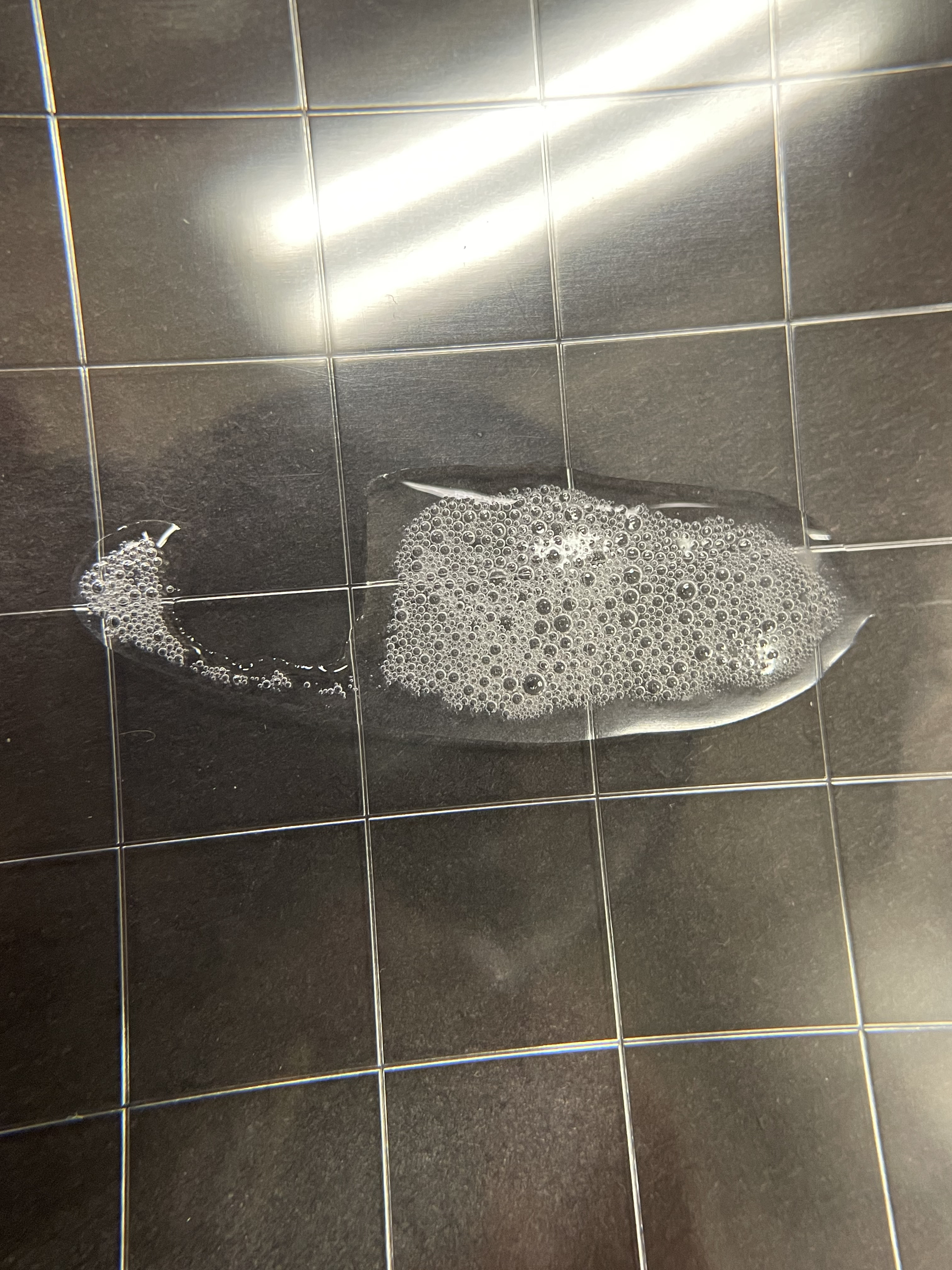
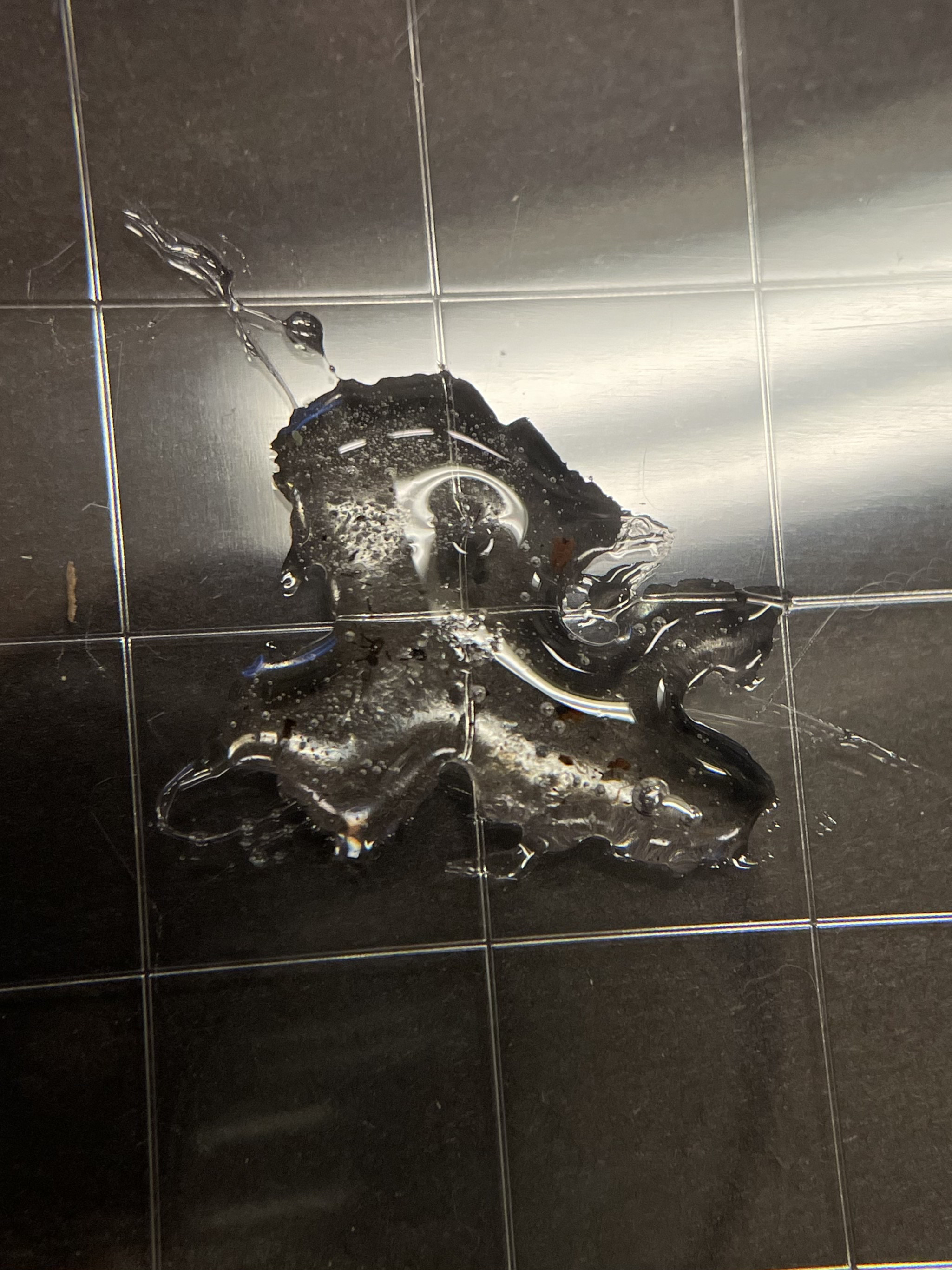
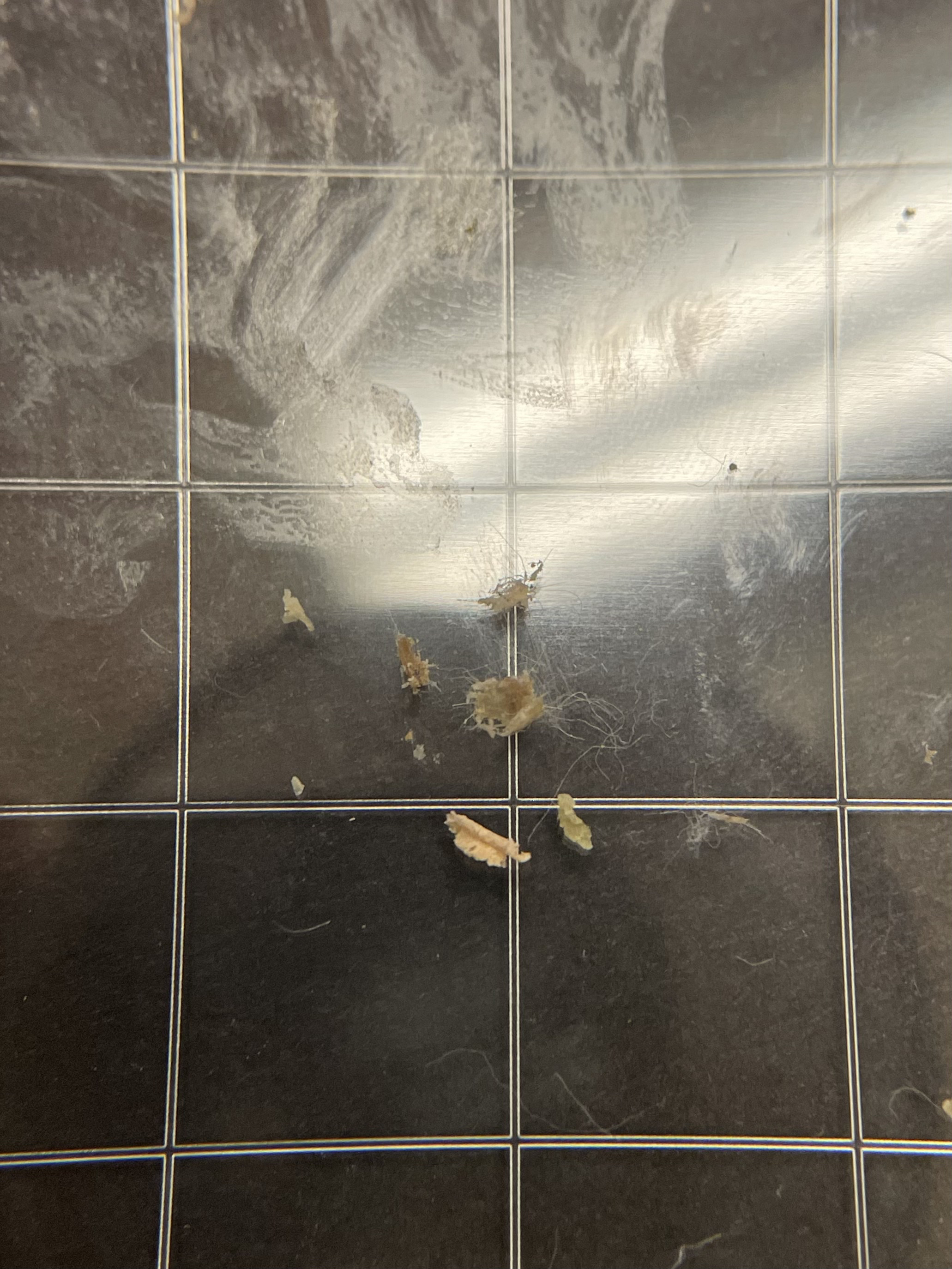
Materials under Microscope Pictured: Resin (left), Saliva (middle left), dry earwax (middle right), pollen pellets (right)
Prototype Goals
- Test the feasibility of “human-made” propolis.
- Create a mostly natural proplis that can be used for comparisons to other prototypes.
- Explore human biological materials when combined with natural materials.
Test 2A Initial Findings
- Sample output was insignificant.
- Earwax and pollen format do not effectively combine with other materials.
How might this experiment be expanded into Trial B?
Samples made from Test 2A can be used to compare to an entirely human-sourced propolis in future experiments. Next steps included finding natural sources of pollen.
Test 2 | NATURAL MATERIALS | TRIAL B
Collection Methods
Resin
- Harvested in moderate quantity from unhealthy trees.
Collection Goals
- Work within natural cycles and reduce extraction damage.
- Utilize natural material usage capabilities.
Limitations
- Relatively low output in collection.
- Time consuming for an individual.
- Limited usable resin due to upcoming seasonal drying.
Saliva
- Voluntarily collected from project team members.
Collection Goals
- Simulate collective contribution and material transformation.
- Simulate a function “binder” for the human propolis.
Limitations
- Politics of disgust with human biologic material.
- Bio-safety of human saliva compared to bee saliva.
- Chemical differences
- Bee saliva contains enzymes and antimicrobial compounds that transform plant resins to have structural properties.
- Human saliva is primarily composed of water and has a different microbial profile (could lead to unpredictable material behavior).
Earwax
- Voluntarily collected from project team members.
Collection Goals
- Use a human-derived analogue to beeswax.
- Use a natural produces, lipid-rich substance with protective functions.
- Simulates that humans produce materials that service bodily protective functions.
- Reinforce themes of intimacy and contribution to the propolis (collective re-purposing).
- Material collected using wax softener drops to maximize quantity from an individual.
Limitations
- Low output in collection (scale and feasibility)
- Humans produce earwax in small quantities compared to beeswax production, even at a large scale.
- Hygiene and Ethical concerns; earwax is typically treated as waste.
- Politics of disgust with biologic material.
- Limitations is work ability; human earwax often varies in consistency.
Pollen
- Collected from fallen flower buds.
Collection Goals
- Mirror foraging behavior of bees.
- Reinforce ideas of environmental mapping and labor.
- Support collective aggregation.
Limitations
- Low output in collection (scale and feasibility)
- Seasonality and Availability
- Lack of access and knowledge variability.
- Ethical and Ecological Considerations.
- Over harvesting pollen can disrupt plant reproduction and local ecosystems.
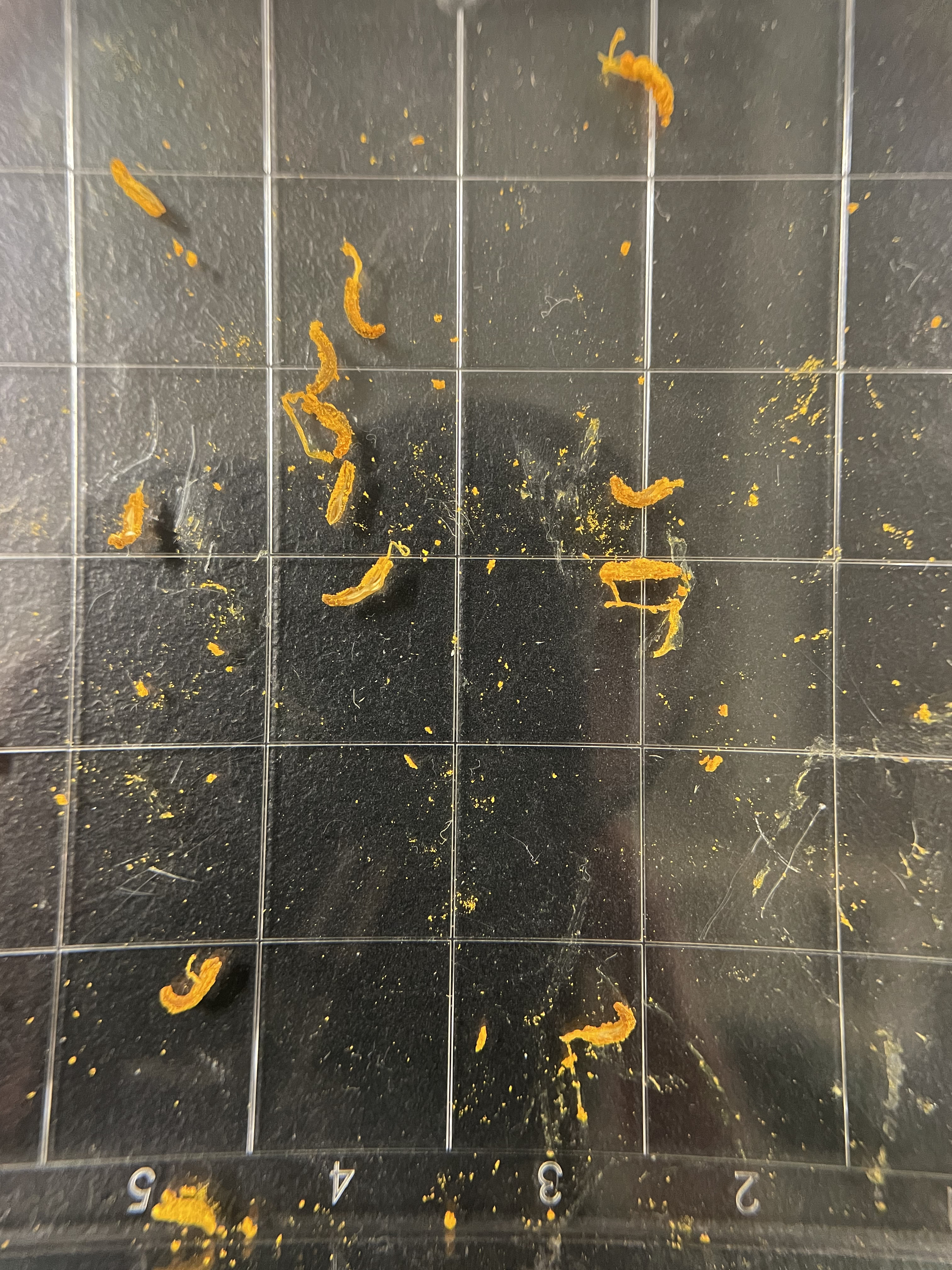
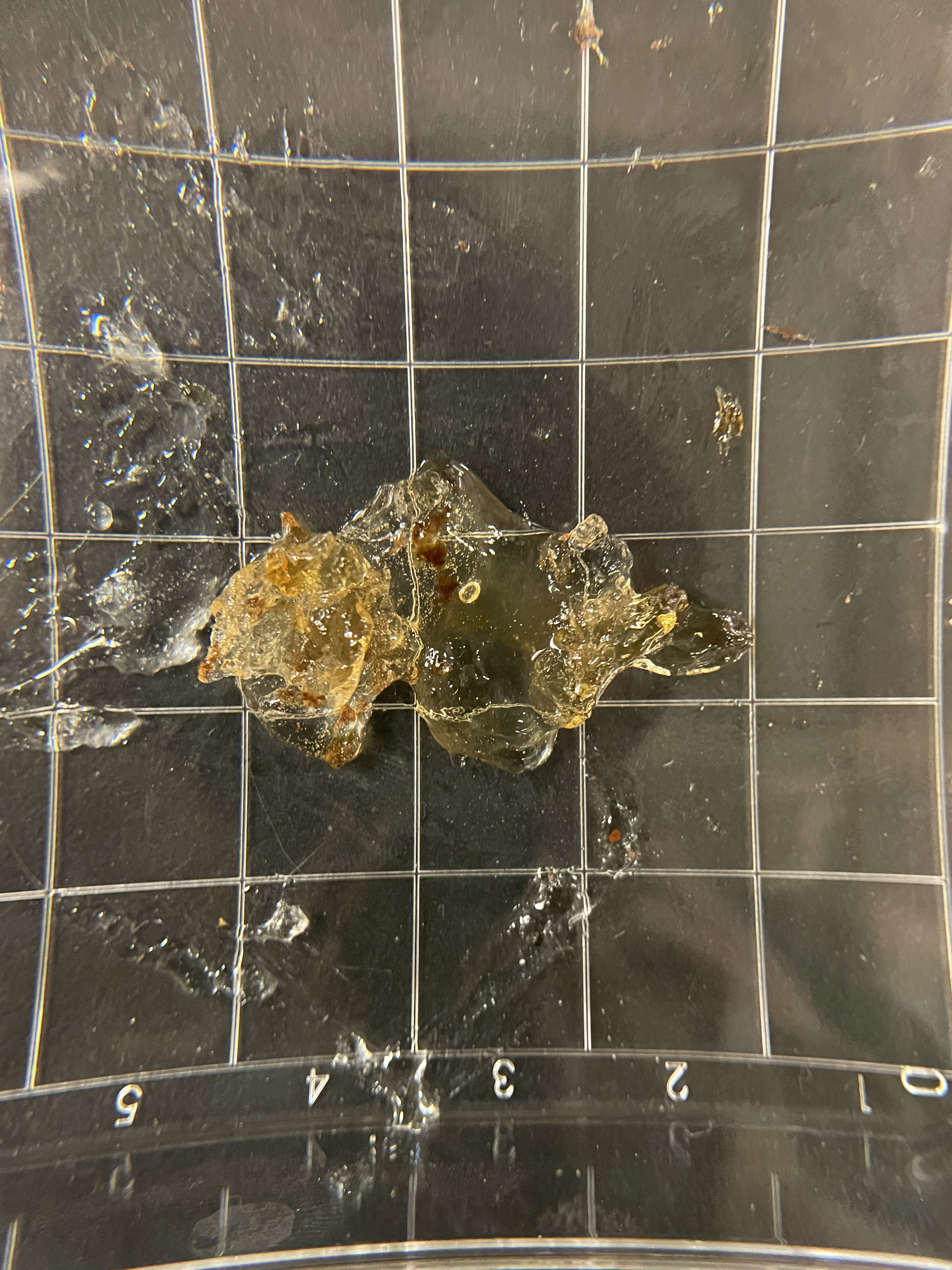
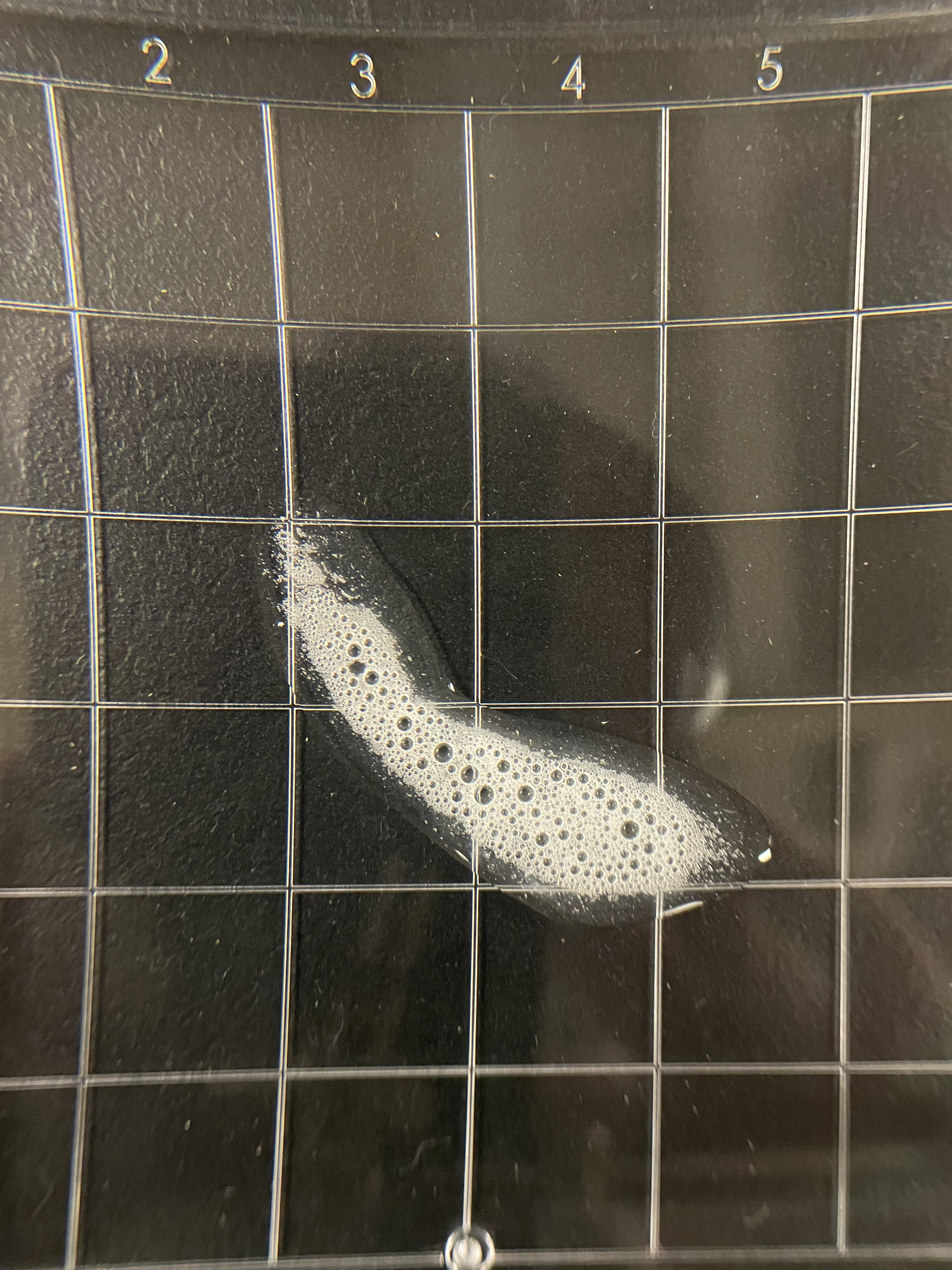
Materials under Microscope Pictured: Resin (left), Saliva (middle left), earwax (middle right), natural pollen with plant buds (right)
Final Prototype Goals
- Test the feasibility of “human-made” propolis.
- Create a naturally sourced proplis that can be used for comparisons to other prototypes.
- Explore human biological materials when combined with natural materials.
Test 2B Initial Findings
- Sample output was of better quality and output magnitude than Test 2A.
- Material most similarly compares to the commercial material propolis as opposed to bee propolis.
- Quantity production too small to test large scale stability.
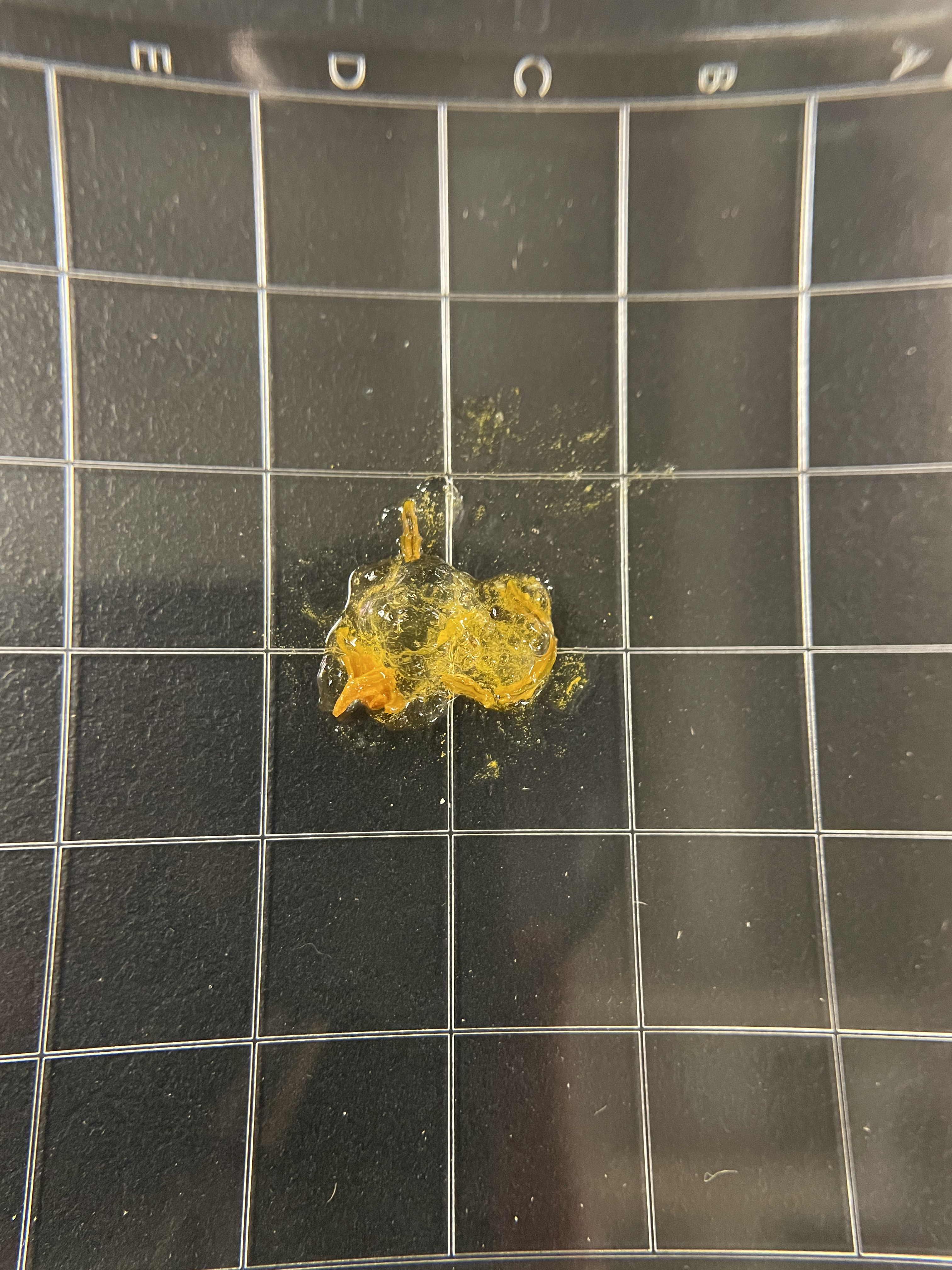
Pictured: Human Propolis made from resin, human earwax and saliva samples, and collected pollen (with small buds)
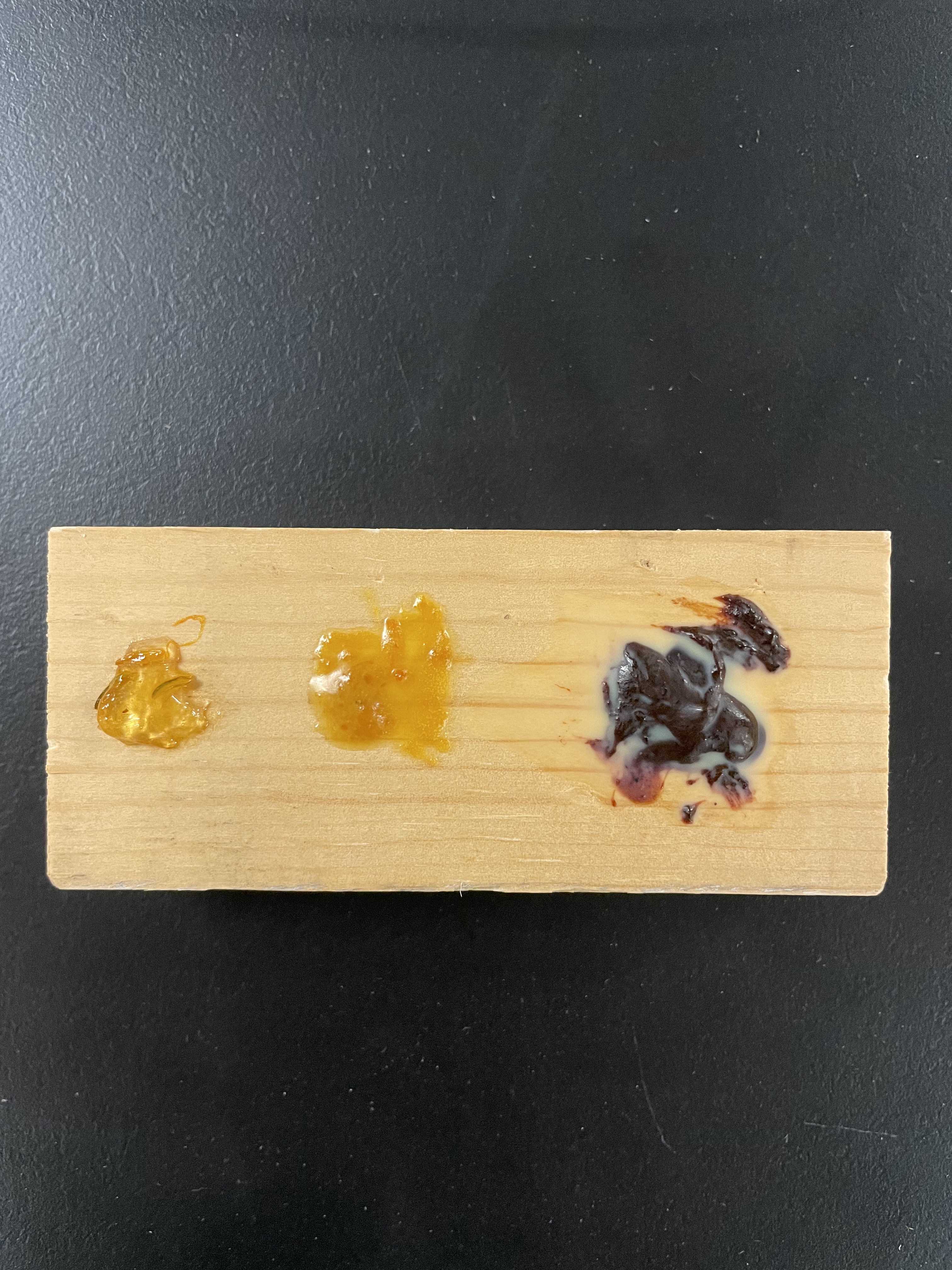
Propolis Material Comparisons Pictured: Trial 2B Human Propolis, Test 1 Commercial Product Propols, Bee Propolis
Human-Bee Collective Simulation
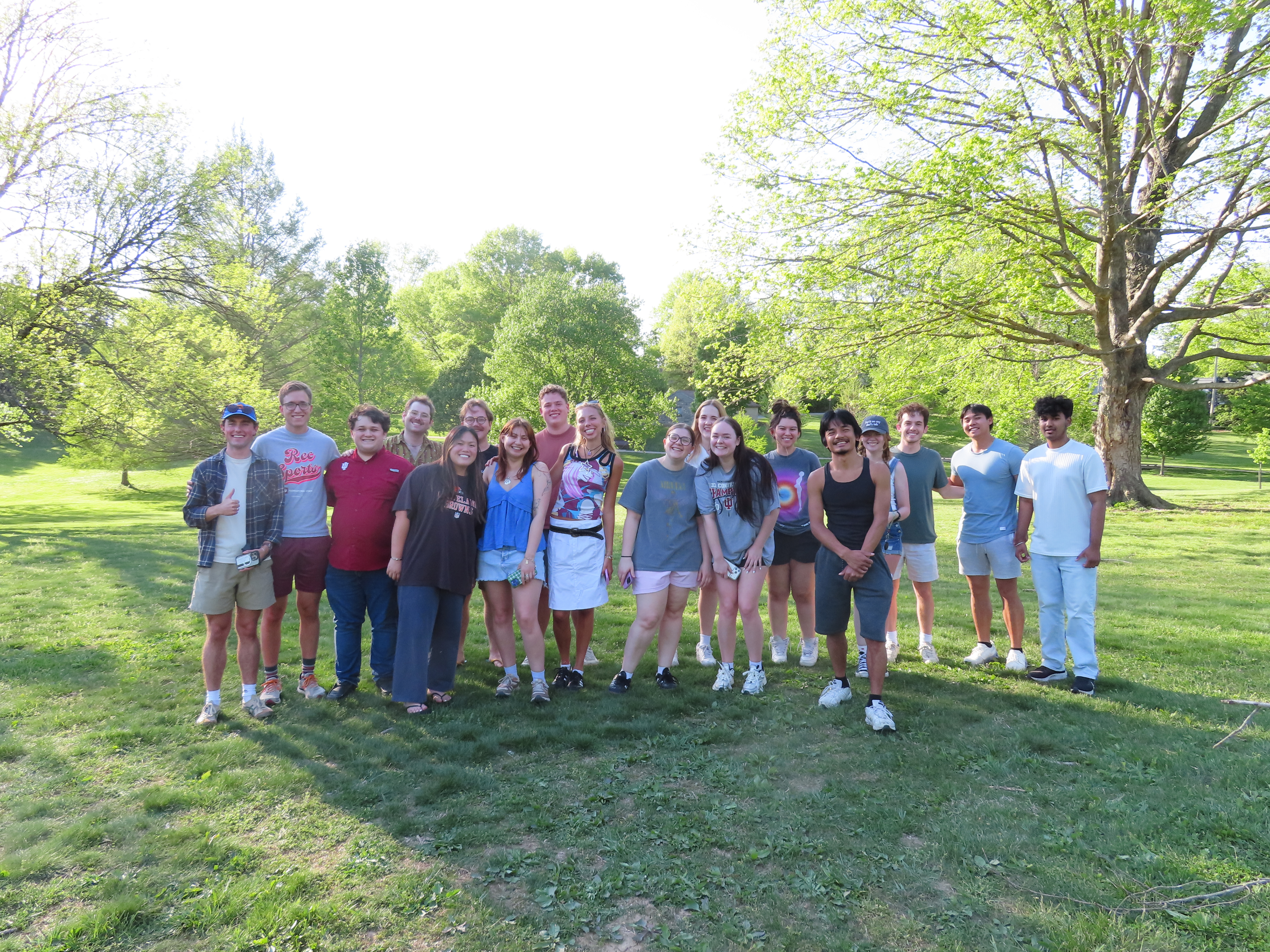
This simulation explores propolis beyond that material and considers how bees collect the resources needed for propolis.
Simulation Methods
Bee Jobs
Participants were assigned the roles: forager, worker bee, and defender.
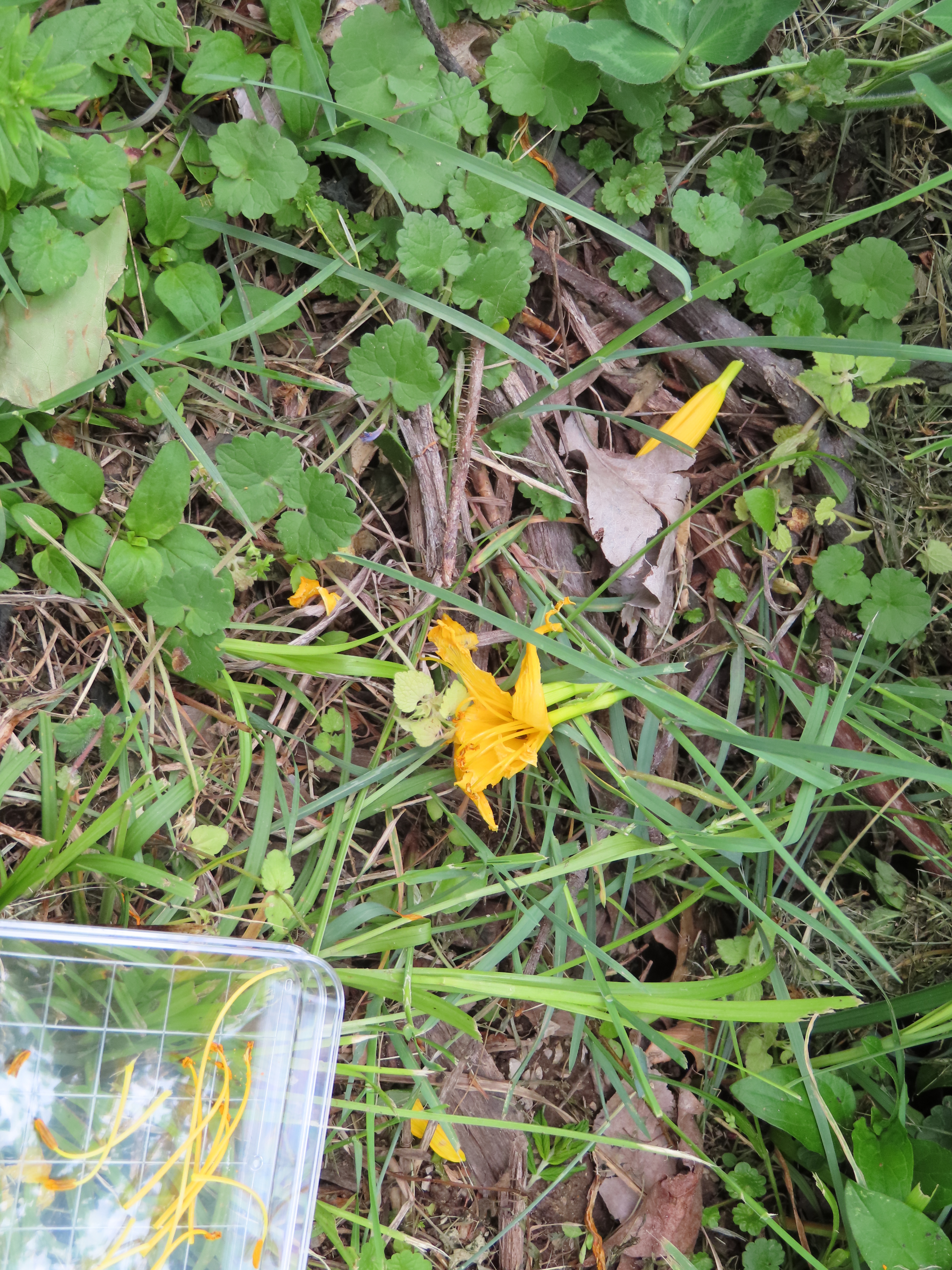
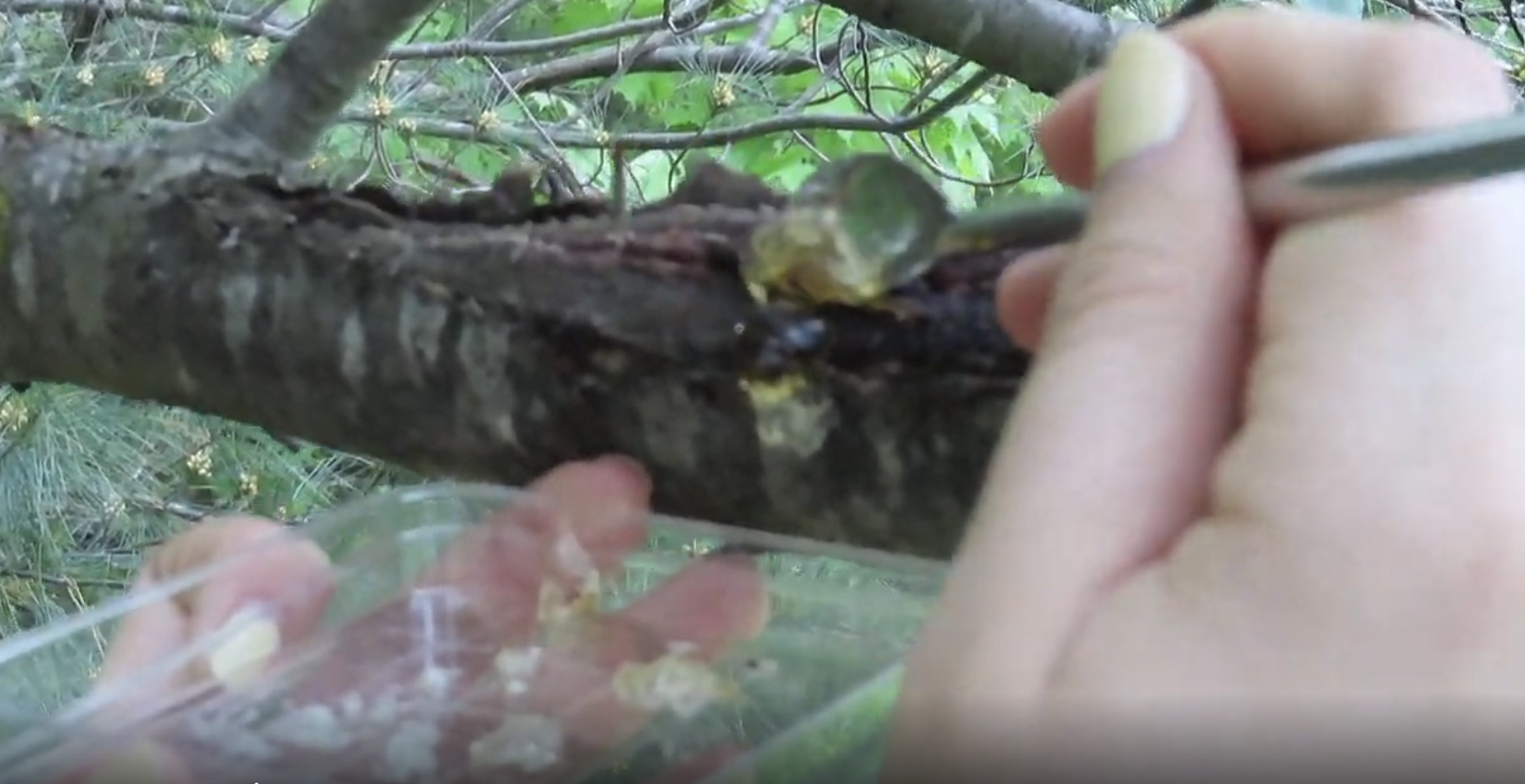
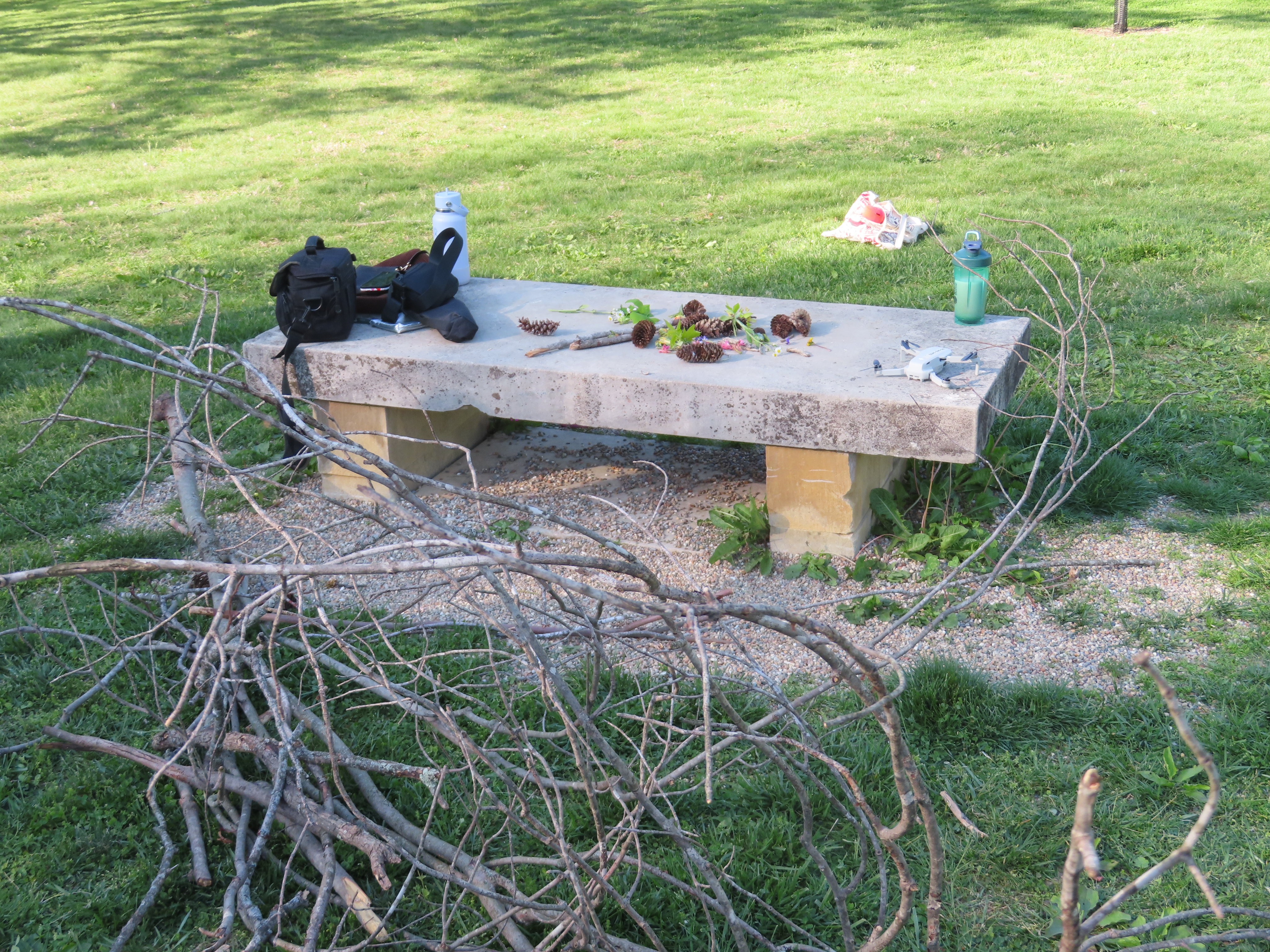
Foragers were tasked with leaving the “hive” in order to find materials. This group was encouraged to look for resources like flowers or pine trees which could be tracked to understand local resources.
After finding a resource, foragers collect a sample and return to the hive to enlist worker bees to collect additional materials.
This process replicated the collective process required for propolis production. Propolis is a unique material for bees as it relies on the efforts of many within a system and is not feasible on the individual scale.
As propolis is a repairing material to a hive, we introduced an “invader” role, which defenders circling the hive were tasked to fend off. This feature of the simulation represents a scenario of collective defense and repair.
Mapping
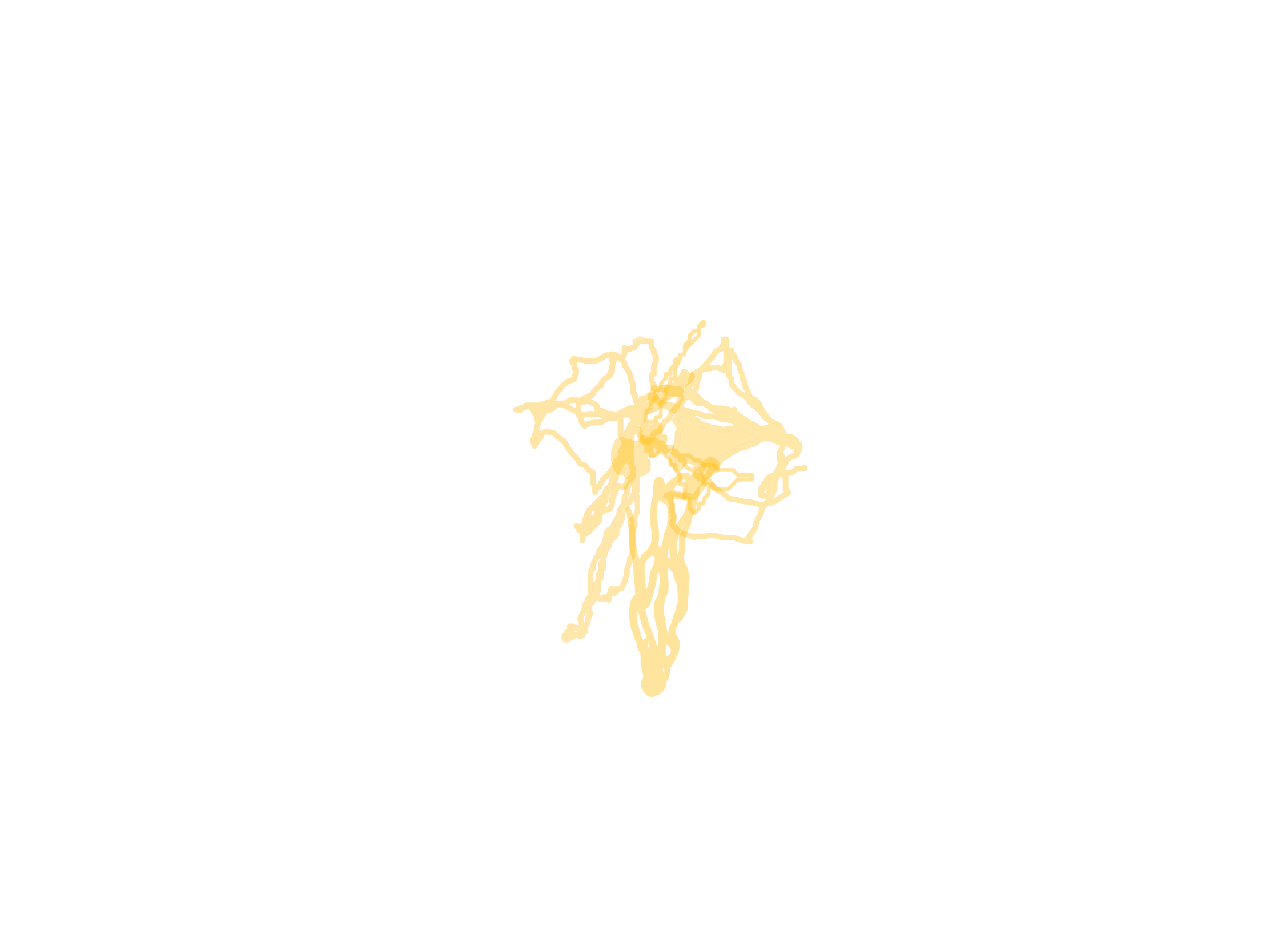
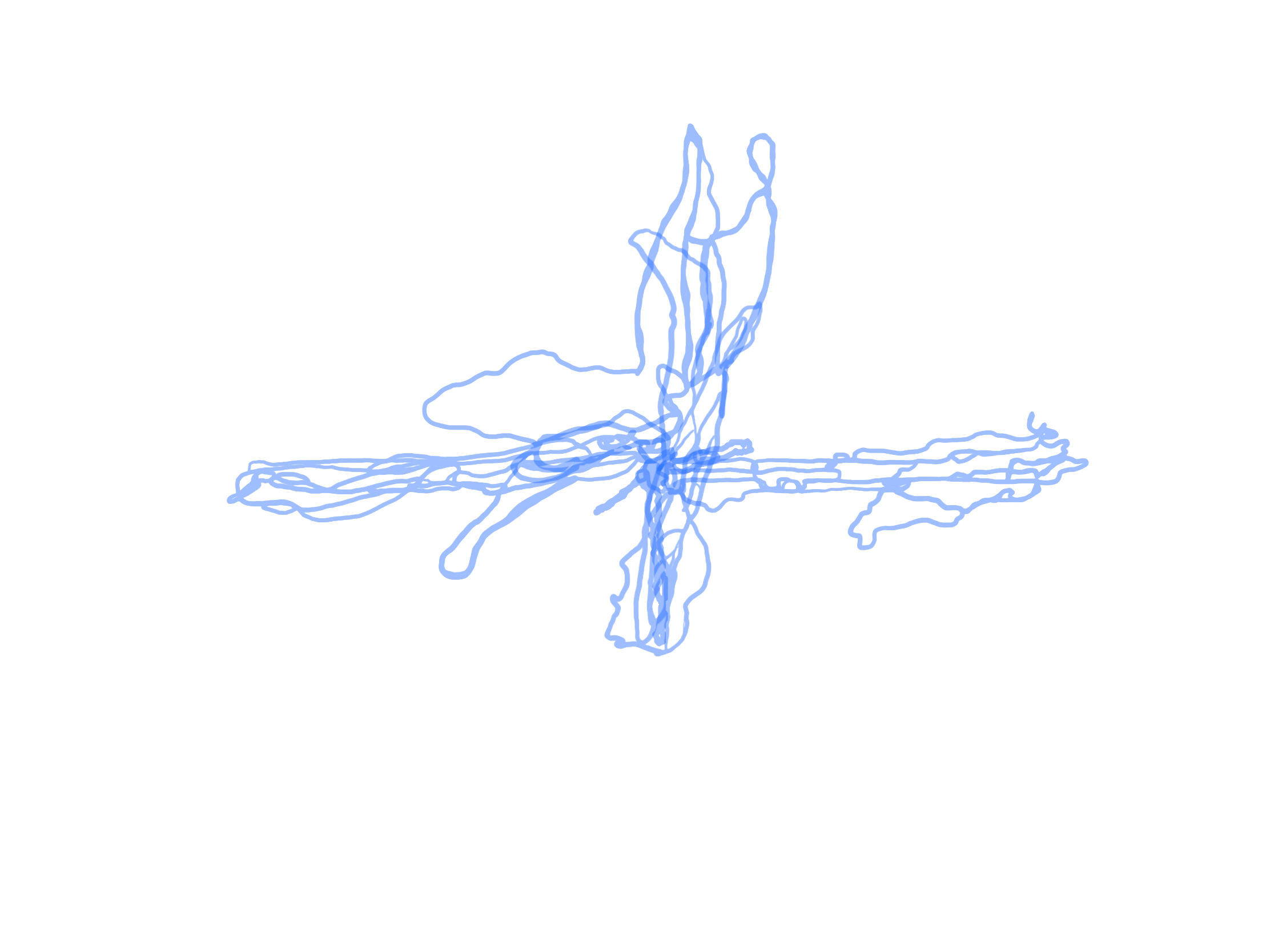
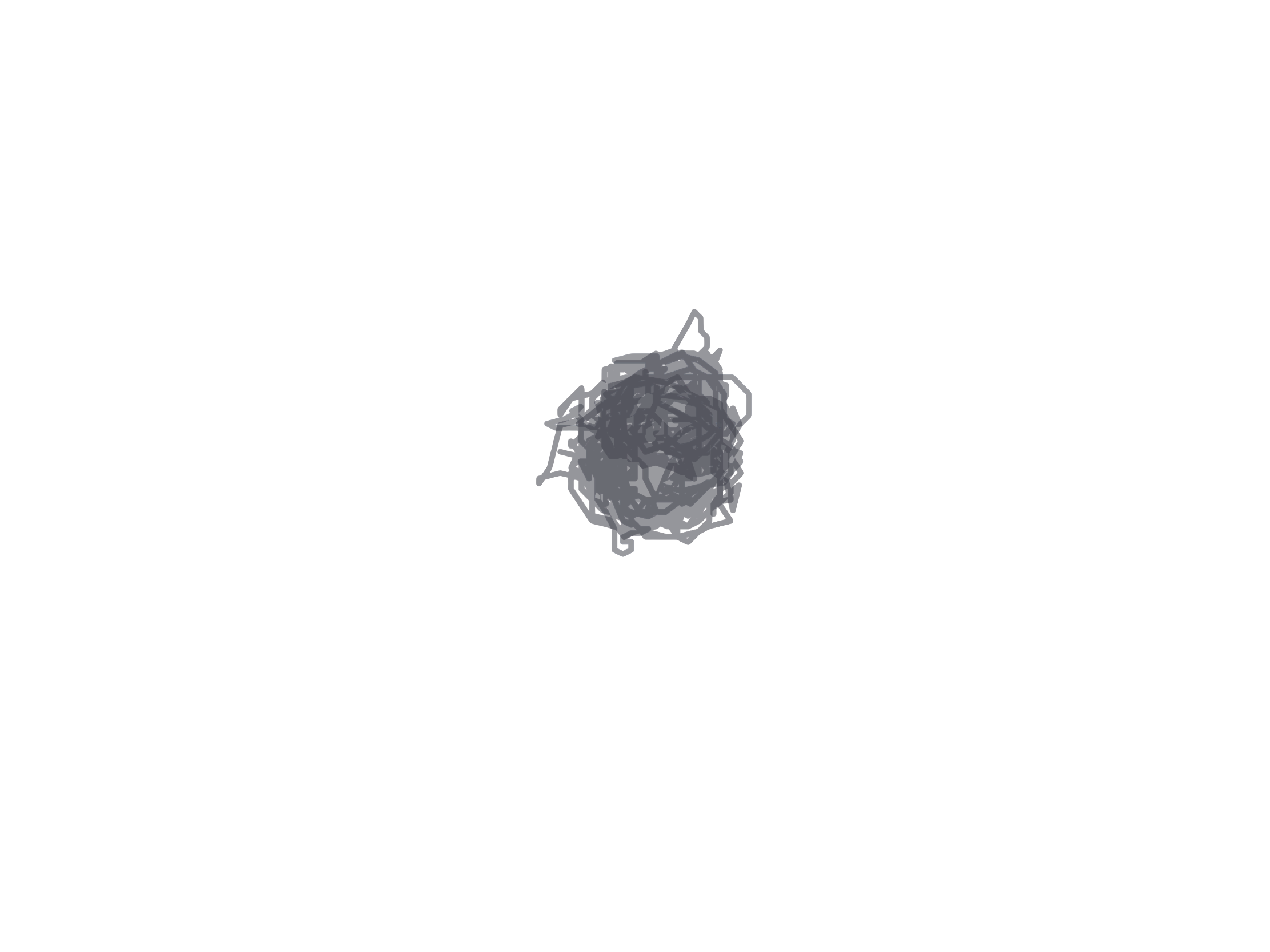
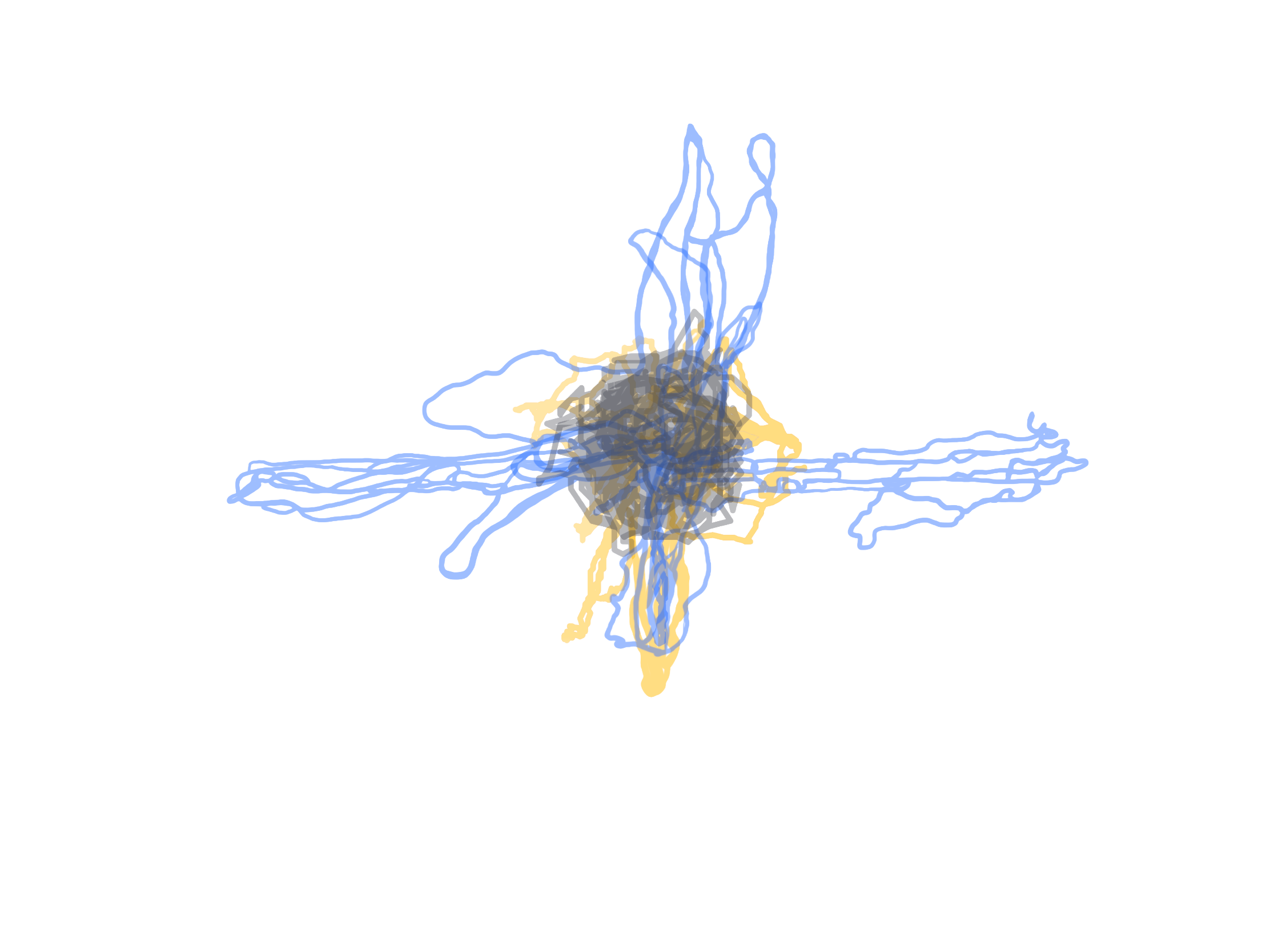
Participants downloaded the Strava fitness app to track their movements through the simulation duration. These maps were then combined by participant job and used to make assumptions about the efficiency of collective intelligence and systems.
When combined, these maps reveal the invisible systems of small, coordinated movements that make collective social structures work.
Materials were collected and placed in the hive for final examination and local resource understanding.
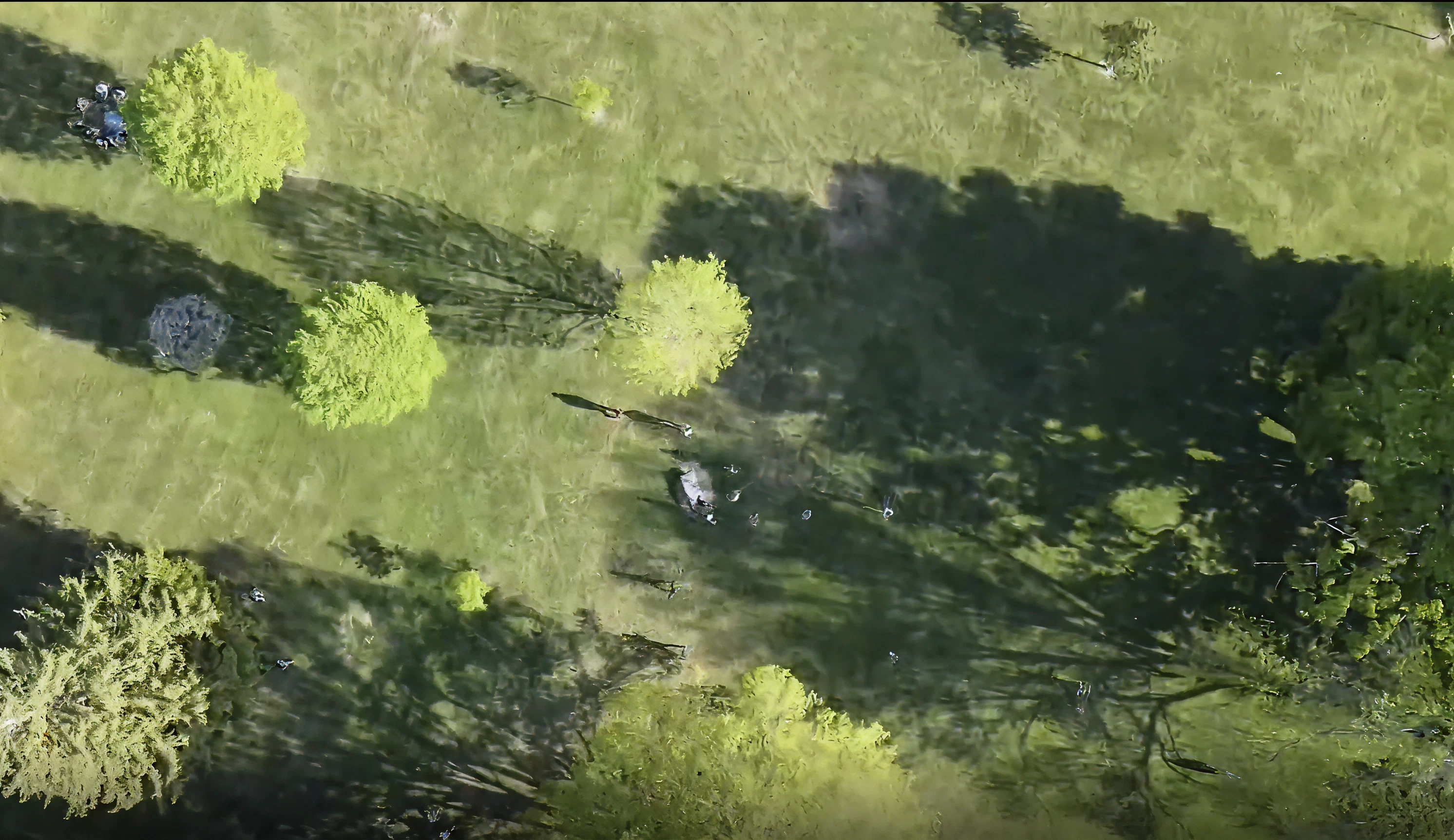
Pictured: Image overview of Human-Bee Collective Simulation.
Mapping Results
Scavengers Map Worker Bee Map Hive Defenders Map
These experiments have shown that while a form of ecologic immitation is possible, there are constraints to the physical capabilities of humans.
The result is a material that exists, but lacks refinement, speed, and functional integrity of a bee’s propolis.